

Why Proper Technical Setup of Quickbooks Matters for US SMBs
Understanding the Foundation of a Reliable Accounting System
A correct technical setup is the backbone of accurate bookkeeping for US small and medium businesses. When Quickbooks is configured properly from day one, it supports clean financial data, smoother tax filing, and better cash flow visibility. Many business owners jump straight into daily transactions without setup planning, which later creates reporting gaps and compliance risks. This section sets the stage for using Quickbooks tips for beginners in a structured, scalable way.
How Technical Setup Impacts Daily Operations
A well configured system reduces manual work and improves decision making. The right settings allow automation, real time insights, and consistent records.
Key benefits include:
- Accurate income and expense tracking for IRS reporting
- Faster bank reconciliations and fewer errors
- Better use of automation features highlighted in Quickbooks pro tips for beginners
- Easier collaboration with accountants and advisors
Comparison: Poor Setup vs Proper Setup
Understanding the difference helps clarify why setup matters.
Poor setup results:
- Misclassified transactions
- Inaccurate financial reports
- Time wasted fixing historical data
- Limited use of QuickBooks Online tips and tricks
Proper setup delivers:
- Clean chart of accounts aligned with US tax rules
- Reliable profit and loss statements
- Smooth payroll and sales tax handling
- Long term value from Quickbooks pro tips 2026
Preparing for Advanced Usage
A strong foundation allows businesses to benefit from advanced features and future updates. Many of the strategies found in Quickbooks pro tips and tricks 2026 only work correctly when the base configuration is solid. Even resources like a QuickBooks tips and tricks PDF assume proper setup before optimization.
By starting with the right technical structure, US SMBs position themselves to scale confidently, stay compliant, and get the most from Quickbooks in 2026 and beyond.
Choosing the Right Quickbooks Version for Your Business
Why Selecting the Correct Version Matters
Choosing the right version of Quickbooks is a critical technical decision for US small and medium businesses. Each version is designed for different operational needs, user capacity, and reporting complexity. Selecting the wrong option can limit automation, cause performance issues, and reduce the effectiveness of many Quickbooks tips for beginners. A well matched version ensures smoother workflows and better long term scalability.
Overview of Available QuickBooks Versions
Understanding what each version offers helps businesses align software capabilities with real world requirements.
Common options include:
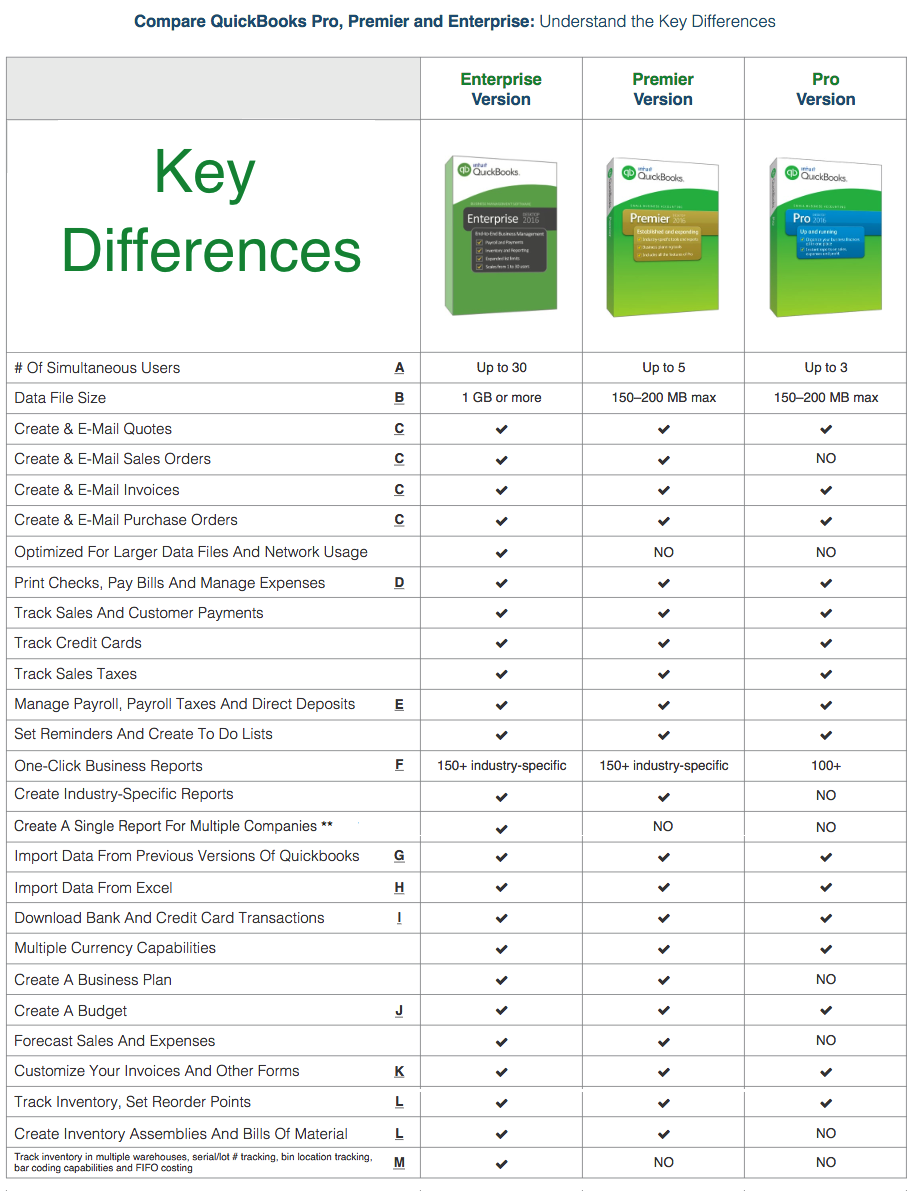
- QuickBooks Pro for small businesses with basic accounting needs
- QuickBooks Premier for industry specific reporting
- QuickBooks Enterprise for advanced inventory and multiple users
- QuickBooks Online for cloud access and remote teams using QuickBooks Online tips and tricks
Comparison: QuickBooks Pro vs QuickBooks Online
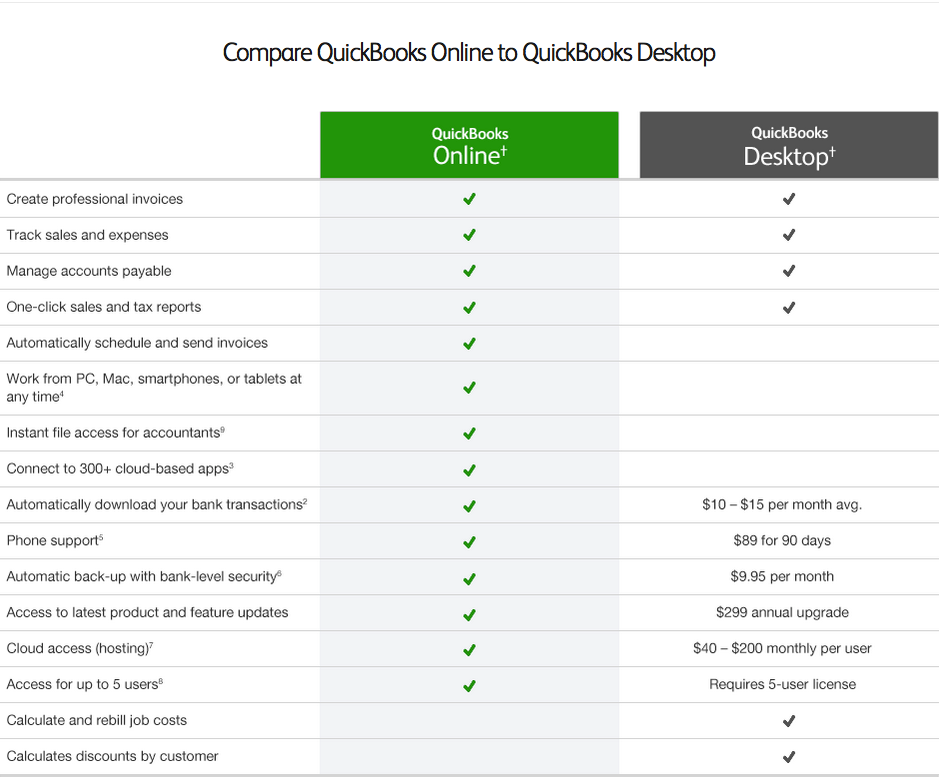
This comparison highlights why many SMBs struggle without guidance.
QuickBooks Pro:
- One time license with desktop installation
- Strong reporting and customization
- Ideal for businesses using Quickbooks pro tips for beginners
- Requires local backups and updates
QuickBooks Online:
- Subscription based and cloud hosted
- Automatic updates and backups
- Easier integration with third party tools
- Best for teams applying QuickBooks Online tips and tricks
How Business Size and Goals Influence Your Choice
Your decision should be based on:
- Number of users accessing the system
- Need for remote access
- Inventory and payroll complexity
- Long term plans outlined in Quickbooks pro tips 2026
Businesses planning growth often benefit more from versions that support automation described in Quickbooks pro tips and tricks 2026 and documentation such as a QuickBooks tips and tricks PDF.
Expert Recommendation for US SMBs
For many small businesses, starting with QuickBooks Pro creates a strong base. Medium sized businesses with distributed teams may find QuickBooks Online more flexible. The right version ensures future optimization using Quickbooks best practices without costly migrations later.
Pre Setup Checklist Before Installing Quickbooks
Why a Pre Setup Checklist Is Essential
Before installing or subscribing to Quickbooks, US small and medium businesses should complete a structured pre setup checklist. Skipping this step often leads to configuration errors that weaken reporting and limit automation. Many Quickbooks tips for beginners emphasize features, but those features only work properly when the groundwork is done first. This checklist ensures your system is aligned with US accounting standards and ready for long term use.
Business Information You Must Prepare
Having accurate business data available prevents setup delays and future corrections.
Prepare the following:
- Legal business name and registered address
- Employer Identification Number and state tax IDs
- Fiscal year start date and accounting method
- Existing chart of accounts if migrating from another system
- Opening balances for bank, credit card, and loan accounts
These steps support clean implementation of Quickbooks pro tips for beginners and reduce data cleanup later.
Technical Requirements and System Readiness
Ensuring your system meets technical requirements is equally important.
Checklist items include:
- Confirm operating system compatibility
- Verify sufficient storage and RAM
- Ensure stable internet access for updates and QuickBooks Online tips and tricks
- Plan backup storage if using desktop versions
Comparison: Starting Without Preparation vs Using a Checklist
Understanding the contrast highlights the value of preparation.
Without preparation:
- Incorrect tax settings
- Missing historical balances
- Limited use of automation
- Confusion when applying Quickbooks pro tips 2026
With a checklist:
- Accurate financial reports from day one
- Faster onboarding for staff
- Full benefit from Quickbooks pro tips and tricks 2026
- Easier reference to a QuickBooks tips and tricks PDF
Setting Yourself Up for Advanced Optimization
A strong pre setup process allows businesses to adopt advanced workflows as they grow. Many future focused strategies discussed in Quickbooks pro tips 2026 depend on accurate initial data. By completing this checklist, US SMBs create a stable foundation for efficient accounting and confident decision making using Quickbooks.
Step by Step Installation and Company File Setup in Quickbooks
Why Proper Installation Is More Than Just Clicking Install
Installing Quickbooks correctly is a technical step that directly affects system performance, data security, and future upgrades. Many US businesses rush this phase and later struggle with file errors, slow processing, or limited access to features explained in Quickbooks tips for beginners. A structured installation ensures stability and prepares the system for automation and reporting.
Step 1: Install QuickBooks the Right Way
Whether using desktop or online, following best practices prevents technical conflicts.
Key installation steps:
- Download the correct version and license
- Install updates immediately after setup
- Choose single user or multi user mode based on needs
- Set US region and currency preferences
- Enable automatic updates where available
These steps support smoother use of Quickbooks pro tips for beginners and reduce troubleshooting later.
Creating Your Company File
The company file is the core of your accounting system. Mistakes here affect every report.
Important setup elements:
- Enter accurate business details and EIN
- Select accounting method and fiscal year
- Choose industry type for default settings
- Review default chart of accounts before saving
This stage is critical for applying strategies found in Quickbooks pro tips 2026.
Comparison: Default Setup vs Customized Company File
Understanding this difference helps avoid long term inefficiencies.
Default setup:
- Generic accounts
- Limited reporting clarity
- Extra cleanup work later
- Reduced value from QuickBooks tips and tricks PDF
Customized setup:
- Accounts aligned with US tax reporting
- Clear profit tracking
- Easier application of Quickbooks pro tips and tricks 2026
- Better results from QuickBooks Online tips and tricks
Preparing for Daily Use
Once installation and file creation are complete, businesses can confidently move into configuration and automation. A clean setup ensures Quickbooks performs reliably and supports growth without data restructuring.
Configuring Core Accounting and Security Settings in Quickbooks
Why Core Settings Define Long Term Accuracy
After installation, configuring core accounting and security settings in Quickbooks determines how accurately your financial data is recorded and protected. Many US businesses overlook this step and rely on default preferences, which limits reporting quality and weakens internal controls. Applying structured Quickbooks tips for beginners at this stage ensures consistency, compliance, and scalability.
Essential Accounting Preferences to Configure
These settings shape how transactions flow through the system.
Key configurations include:
- Select cash or accrual accounting based on tax strategy
- Set fiscal year and closing dates
- Enable account numbers for structured reporting
- Configure sales tax settings for US compliance
- Turn on inventory tracking if applicable
These adjustments directly support effective use of Quickbooks pro tips for beginners and reduce errors during tax season.
User Roles and Security Controls
Security settings protect sensitive financial data and improve accountability.
Important security actions:
- Create separate user profiles
- Assign role based permissions
- Limit access to payroll and banking features
- Enable password policies and activity tracking
These steps are essential when applying advanced Quickbooks pro tips 2026 in multi user environments.
Comparison: Open Access vs Controlled Access
This comparison highlights the risk of poor security planning.
Open access setup:
- Higher risk of data errors
- No accountability tracking
- Increased fraud exposure
- Limited benefit from QuickBooks Online tips and tricks
Controlled access setup:
- Clear responsibility by role
- Reduced data manipulation risks
- Cleaner audit trails
- Better alignment with Quickbooks pro tips and tricks 2026
Preparing for Automation and Reporting
Correct accounting and security configurations unlock automation features and accurate reports. Many workflows outlined in a QuickBooks tips and tricks PDF depend on these settings being configured properly. By investing time here, US SMBs ensure Quickbooks remains reliable, secure, and optimized as the business grows.
Connecting Bank and Credit Card Accounts in Quickbooks
Why Bank Connections Are Critical for Accuracy
Connecting bank and credit card accounts to Quickbooks is one of the most impactful technical steps for US small and medium businesses. Bank feeds reduce manual entry, improve accuracy, and support real time financial visibility. Many Quickbooks tips for beginners focus on automation, and bank connections are the foundation of that automation.
How to Connect Bank and Credit Card Accounts
A structured connection process prevents sync issues and duplicate entries.
Recommended steps:
- Verify online banking credentials
- Select the correct financial institution
- Choose the correct account type in Quickbooks
- Set the correct opening balance date
- Review imported transactions before acceptance
These steps align with best practices outlined in Quickbooks pro tips for beginners.
Managing Bank Feeds Effectively
Once connected, proper management ensures long term reliability.
Best practices include:
- Create rules for transaction categorization
- Match imported transactions with existing records
- Review feeds daily or weekly
- Reconcile accounts monthly
Applying these methods supports advanced workflows found in Quickbooks pro tips 2026.
Comparison: Manual Entry vs Bank Feed Automation
Understanding this difference highlights efficiency gains.
Manual entry:
- Time consuming
- Higher risk of errors
- Delayed financial insights
- Limited value from QuickBooks Online tips and tricks
Bank feed automation:
- Faster transaction processing
- Improved accuracy
- Real time reporting
- Better use of Quickbooks pro tips and tricks 2026
Supporting Clean Reconciliations and Reports
Bank connections ensure reconciliations are smoother and reports more reliable. Many tools referenced in a QuickBooks tips and tricks PDF depend on consistent bank data. With proper setup, Quickbooks becomes a powerful system for cash flow management and financial control.
Customizing the Chart of Accounts and Templates in Quickbooks
Why Customization Improves Financial Clarity
Customizing the chart of accounts and templates in Quickbooks allows US small and medium businesses to see exactly how money moves through the organization. Default settings are generic and often fail to reflect real business operations. Applying customization early supports accurate reporting and makes many Quickbooks tips for beginners easier to implement consistently.
Structuring the Chart of Accounts Correctly
A well organized chart of accounts aligns with tax reporting and management needs.
Best practices include:
- Group income and expense accounts logically
- Separate operating and non operating expenses
- Customize cost of goods sold for accurate margins
- Use account numbers for scalability
- Avoid duplicate or unnecessary accounts
These steps improve reporting accuracy and support advanced Quickbooks pro tips for beginners.
Customizing Invoices, Estimates, and Sales Forms
Templates affect both branding and efficiency.
Important customization areas:
- Add company logo and contact details
- Define standard payment terms
- Customize invoice fields for clarity
- Enable sales tax display for US compliance
- Save templates for recurring use
These enhancements align with practical guidance found in QuickBooks Online tips and tricks resources.
Comparison: Default Accounts vs Customized Accounts
This comparison highlights long term benefits.
Default accounts:
- Limited visibility into expenses
- Confusing financial reports
- Harder tax preparation
- Reduced value from QuickBooks tips and tricks PDF
Customized accounts:
- Clear financial insights
- Accurate category level reporting
- Easier use of Quickbooks pro tips 2026
- Strong foundation for Quickbooks pro tips and tricks 2026
Supporting Smarter Decisions and Growth
Custom charts and templates help businesses analyze performance and plan growth. Many strategies discussed in Quickbooks pro tips 2026 rely on clean account structures. With thoughtful customization, Quickbooks becomes a powerful tool for insight driven decision making.
Automating Workflows for Efficiency and Accuracy in Quickbooks
Why Automation Is Essential for Growing US SMBs
Automation is one of the biggest advantages of using Quickbooks, yet many businesses fail to use it correctly. Manual workflows increase errors, consume time, and limit scalability. When automation is configured properly, it transforms daily accounting into a streamlined process. Many Quickbooks tips for beginners highlight automation, but the real value appears when workflows are aligned with business operations.
Key Automation Features to Enable
Using the right automation tools reduces repetitive work and improves consistency.
Recommended automation settings include:
- Recurring transactions for rent, utilities, and subscriptions
- Bank rules for automatic categorization
- Memorized invoices for repeat customers
- Automatic payment reminders
- Scheduled report generation
These features are central to applying Quickbooks pro tips for beginners effectively.
Automating Accounts Payable and Receivable
Automation improves cash flow visibility and payment accuracy.
Best practices include:
- Set recurring bills for fixed expenses
- Enable invoice reminders to reduce late payments
- Use automatic matching for bank feed transactions
- Track outstanding invoices in real time
These methods support future ready workflows described in Quickbooks pro tips 2026.
Comparison: Manual Processes vs Automated Workflows
This comparison shows the operational impact clearly.
Manual processes:
- Higher error rates
- Slower month end close
- Inconsistent records
- Limited use of QuickBooks Online tips and tricks
Automated workflows:
- Faster transaction processing
- Improved accuracy
- Real time financial insights
- Strong alignment with Quickbooks pro tips and tricks 2026
Building a Scalable Accounting System
Automation allows businesses to grow without increasing administrative workload. Many advanced strategies referenced in a QuickBooks tips and tricks PDF require automation to function properly. By applying automation early, US SMBs ensure Quickbooks supports long term efficiency and confident decision making.
Integrating Quickbooks with Third Party Business Tools
Why Integrations Extend the Power of QuickBooks
Integrations allow Quickbooks to work seamlessly with other business systems, reducing manual data entry and improving operational visibility. For US small and medium businesses, integrations are essential for scaling without increasing accounting complexity. Many Quickbooks tips for beginners overlook integrations, yet they unlock advanced functionality and real time data flow across departments.
Common Tools That Integrate with QuickBooks
Choosing the right integrations depends on your business model and workflow.
Popular integration categories include:
- Payroll and HR platforms
- Payment gateways and merchant services
- CRM and sales platforms
- Inventory and order management systems
- E commerce platforms
These tools enhance daily workflows and support automation strategies found in Quickbooks pro tips for beginners.
Best Practices for Setting Up Integrations
Improper integration setup can cause duplicate entries and reporting errors.
Recommended practices:
- Review integration compatibility before connecting
- Sync only necessary data fields
- Test integrations in a controlled environment
- Monitor sync logs regularly
- Assign responsibility for integration management
These steps align with long term strategies in Quickbooks pro tips 2026.
Comparison: Standalone QuickBooks vs Integrated Ecosystem
This comparison highlights the value of connected systems.
Standalone setup:
- Manual data transfers
- Delayed reporting
- Higher error rates
- Limited benefit from QuickBooks Online tips and tricks
Integrated ecosystem:
- Automated data flow
- Real time insights
- Improved accuracy
- Strong alignment with Quickbooks pro tips and tricks 2026
Supporting Growth and Operational Efficiency
Integrations allow Quickbooks to serve as a central financial hub. Many workflows referenced in a QuickBooks tips and tricks PDF depend on reliable integrations. With the right setup, US SMBs gain efficiency, visibility, and confidence as they scale.
Payroll Setup and Compliance for US SMBs in Quickbooks
Why Payroll Setup Requires Careful Attention
Payroll is one of the most critical functions for US small and medium businesses. Incorrect setup can lead to tax penalties, employee dissatisfaction, and reporting errors. Using Quickbooks for payroll simplifies calculations and tax filings, but only when the system is configured properly. Many Quickbooks tips for beginners emphasize payroll automation, yet the benefits are fully realized with precise initial setup.
Setting Up Payroll in QuickBooks
Proper payroll setup ensures compliance and efficiency.
Key steps include:
- Enter federal and state tax IDs accurately
- Add employee details including pay rates, deductions, and benefits
- Set up pay schedules (weekly, biweekly, monthly)
- Configure direct deposit and payment methods
- Enable automatic tax calculation and filing
These steps are essential for implementing Quickbooks pro tips for beginners and Quickbooks pro tips 2026.
Managing Compliance with US Tax Rules
QuickBooks helps businesses remain compliant with federal and state regulations.
Best practices:
- Review and update tax tables regularly
- Track and file payroll taxes timely
- Generate W‑2 and 1099 forms accurately
- Reconcile payroll accounts monthly
- Audit payroll reports for errors
Following these practices supports advanced strategies from Quickbooks pro tips and tricks 2026.
Comparison: Manual Payroll vs QuickBooks Payroll
Understanding the difference shows the operational advantage.
Manual payroll:
- Time consuming and error prone
- Risk of incorrect tax filings
- Extra accounting reconciliation work
- Limited insights from QuickBooks Online tips and tricks
QuickBooks payroll:
- Automated calculations and tax filings
- Faster and more accurate pay processing
- Clear reporting and audit trails
- Strong alignment with Quickbooks pro tips and tricks 2026
Preparing for Scalable Payroll Management
Correct payroll setup ensures businesses can grow without increasing administrative burden. Many workflows in a QuickBooks tips and tricks PDF depend on a reliable payroll foundation. Using Quickbooks effectively helps US SMBs manage employees, taxes, and compliance efficiently.
Data Backup, Security, and Protecting Your Quickbooks System
Why Backup and Security Are Crucial
For US small and medium businesses, protecting financial data is as important as accurate bookkeeping. Without proper security and backups, Quickbooks files are vulnerable to corruption, accidental deletion, and unauthorized access. Many Quickbooks tips for beginners overlook the critical role of data protection, yet a secure system ensures continuity, compliance, and peace of mind.
Establishing a Backup Strategy
Regular backups safeguard your accounting data and reduce downtime in case of errors or hardware failures.
Key backup practices:
- Schedule automatic local backups daily or weekly
- Use cloud storage for offsite redundancy
- Verify backups regularly to ensure data integrity
- Maintain version history for quick recovery
- Protect backup files with encryption and passwords
These steps complement strategies found in Quickbooks pro tips for beginners and Quickbooks pro tips 2026.
Implementing Security Measures
Strong security reduces the risk of data breaches and internal errors.
Recommended actions:
- Enable multi user roles with defined permissions
- Use strong passwords and regular updates
- Monitor user activity and audit trails
- Restrict access to sensitive areas such as payroll and banking
- Apply software updates promptly
This approach aligns with advanced Quickbooks pro tips and tricks 2026 and QuickBooks Online tips and tricks.
Comparison: No Backup vs Regular Backup
Understanding this contrast highlights the operational impact.
No backup:
- High risk of data loss
- Extended downtime during recovery
- Lost historical transactions
- Limited use of QuickBooks tips and tricks PDF
Regular backup:
- Fast recovery from errors
- Data integrity maintained
- Minimal disruption to accounting
- Strong alignment with Quickbooks pro tips and tricks 2026
Supporting Long Term System Reliability
A robust backup and security framework allows Quickbooks to serve as a reliable financial hub. Many advanced workflows in Quickbooks pro tips 2026 depend on protected, accessible data. By prioritizing security and backups, US SMBs ensure operational continuity, accurate reporting, and business resilience.
Reporting Setup and Customization in Quickbooks
Why Reporting Setup Is Essential for Decision Making
Accurate, timely reports are the backbone of strategic decision making for US small and medium businesses. Quickbooks offers powerful reporting tools, but their value depends on proper setup. Many Quickbooks tips for beginners focus on individual transactions, yet businesses gain real insights when reporting is customized to their needs.
Key Reports to Configure
Setting up essential reports ensures visibility into financial health.
Important reports include:
- Profit and Loss statements for revenue and expense tracking
- Balance Sheet for assets, liabilities, and equity overview
- Cash Flow Statement for liquidity management
- Accounts Receivable and Payable Aging reports
- Inventory valuation and cost of goods sold analysis
These reports support strategies outlined in Quickbooks pro tips 2026 and Quickbooks pro tips for beginners.
Customizing Reports for Maximum Insight
Customization enhances usability and relevance.
Best practices include:
- Filter by date ranges, customers, or vendors
- Group and summarize accounts for clarity
- Add or remove columns to focus on critical metrics
- Schedule automatic delivery of key reports
- Save customized templates for recurring use
These steps complement advanced workflows in Quickbooks pro tips and tricks 2026 and QuickBooks Online tips and tricks.
Comparison: Default Reports vs Customized Reports
Default reports:
- Generic information
- Limited decision-making value
- Manual data manipulation required
- Less benefit from QuickBooks tips and tricks PDF
Customized reports:
- Tailored to specific business needs
- Faster insights and actionable data
- Supports forecasting and budgeting
- Strong alignment with Quickbooks pro tips and tricks 2026
Leveraging Reports for Growth
Properly configured and customized reports allow US SMBs to make informed, strategic decisions. Many advanced features and Quickbooks pro tips 2026 rely on clean data and report customization. With structured reporting, Quickbooks becomes a central tool for operational intelligence and business growth.
Common Technical Setup Mistakes and How to Avoid Them in Quickbooks
Why Avoiding Setup Mistakes Matters
Incorrect setup of Quickbooks can lead to data inconsistencies, reporting errors, and compliance issues for US small and medium businesses. Many businesses overlook foundational errors while focusing on advanced features or following Quickbooks tips for beginners. Recognizing and correcting common mistakes early saves time and prevents costly fixes later.
Frequent Setup Mistakes
Understanding common pitfalls helps businesses plan better.
Typical errors include:
- Misclassified transactions or accounts
- Incorrect fiscal year or accounting method selection
- Skipping bank and credit card connections
- Not configuring multi user roles and permissions
- Failing to customize chart of accounts and templates
Addressing these mistakes aligns with Quickbooks pro tips for beginners and ensures reliable data for future automation.
Comparison: Consequences of Mistakes vs Correct Setup
Consequences of poor setup:
- Inaccurate financial reporting
- Extra manual reconciliation work
- Inefficient payroll and tax filing
- Reduced benefit from QuickBooks Online tips and tricks
Correct setup:
- Clean and accurate reporting from day one
- Efficient operations and automation
- Smooth payroll and compliance management
- Enables Quickbooks pro tips and tricks 2026
How to Avoid Setup Mistakes
Following structured procedures reduces risk:
Best practices:
- Complete pre setup checklist before installation
- Review default settings carefully
- Apply customization early for chart of accounts and templates
- Test bank feeds and integrations
- Backup data regularly
These steps align with advanced strategies in Quickbooks pro tips 2026 and guidance from QuickBooks tips and tricks PDF.
Supporting Long Term Accounting Reliability
By avoiding setup mistakes, US SMBs ensure Quickbooks functions as a reliable, scalable accounting system. Correct initial configuration allows the business to take full advantage of Quickbooks pro tips for beginners and advanced techniques in Quickbooks pro tips and tricks 2026.
When to Call a ProAdvisor or Accountant for Quickbooks Setup
Why Professional Assistance Matters
Even with Quickbooks tips for beginners and Quickbooks pro tips 2026, some businesses benefit from professional setup guidance. US small and medium businesses with complex operations or multi user environments can save time, avoid errors, and ensure compliance by involving a certified ProAdvisor or accountant.
Situations Requiring Professional Help
Professional expertise is most valuable when:
- Migrating from another accounting system
- Managing multiple entities or locations
- Handling complex inventory or payroll needs
- Needing advanced automation and integrations
- Preparing for tax audits or regulatory compliance
ProAdvisors apply Quickbooks pro tips and tricks 2026 effectively, ensuring your setup is optimized for long term growth.
Comparison: DIY Setup vs Professional Setup
DIY setup:
- Potential for configuration errors
- Longer setup time
- Learning curve for complex features
- Limited advantage from QuickBooks Online tips and tricks
Professional setup:
- Accurate, compliant configuration
- Faster implementation
- Expert guidance on advanced features
- Strong alignment with Quickbooks pro tips and tricks 2026
Benefits of Using a ProAdvisor
Working with a ProAdvisor or accountant ensures:
- Correct chart of accounts and company file setup
- Seamless bank, credit card, and payroll integration
- Optimized reporting and dashboard setup
- Regular maintenance and troubleshooting support
This professional involvement complements Quickbooks pro tips for beginners and strategies in a QuickBooks tips and tricks PDF.
Preparing for Professional Assistance
To maximize value from a ProAdvisor:
- Gather all necessary business and financial information
- Identify specific pain points or automation goals
- Review current QuickBooks configuration
- Set clear expectations for deliverables
Engaging a ProAdvisor allows US SMBs to confidently implement Quickbooks, apply advanced strategies, and ensure their accounting system is fully optimized for growth.
Conclusion and Next Steps for Optimizing Quickbooks
Recap of Key Technical Setup Steps
Proper technical setup of Quickbooks is the foundation of accurate accounting, compliance, and business growth for US small and medium businesses. From selecting the right version to automating workflows and configuring payroll, each step ensures your system delivers reliable financial insights. Key takeaways include:
- Choosing the QuickBooks version that aligns with business size and goals
- Completing a pre setup checklist to prevent errors
- Installing QuickBooks and creating a customized company file
- Configuring accounting preferences, user roles, and security settings
- Connecting bank and credit card accounts for automated reconciliation
- Customizing charts of accounts, templates, and reports
- Leveraging automation and integrations to improve efficiency
- Ensuring payroll compliance and robust backup practices
- Avoiding common setup mistakes and knowing when to hire a ProAdvisor
Following these steps allows businesses to fully utilize Quickbooks pro tips for beginners, Quickbooks pro tips 2026, and Quickbooks pro tips and tricks 2026.
Actionable Next Steps
To maximize your QuickBooks setup:
- Review your current QuickBooks configuration and identify gaps
- Implement the technical setup steps covered in this guide
- Automate recurring transactions and connect bank feeds
- Customize reports and templates for strategic insights
- Engage a ProAdvisor if your business requires advanced setup or compliance support
By implementing these strategies, US SMBs can streamline operations, improve financial accuracy, and leverage QuickBooks Online tips and tricks for long-term success.
Frequently Asked Questions (FAQs)
- Which QuickBooks version is best for small US businesses?
QuickBooks Pro is ideal for small businesses with basic accounting needs, while QuickBooks Online suits teams needing remote access and automation. - Can I migrate my existing data to QuickBooks without errors?
Yes, but it requires careful mapping of accounts and balances. Using a ProAdvisor reduces migration risks. - How often should I back up my QuickBooks data?
Daily or weekly backups are recommended, with offsite or cloud storage for redundancy. - What are the most common setup mistakes?
Misclassified accounts, incorrect fiscal year settings, missing bank connections, and improper payroll setup. - How can I automate tasks in QuickBooks?
Use recurring transactions, bank rules, memorized invoices, and scheduled reports to reduce manual work. - Is QuickBooks compliant with US tax regulations?
When configured correctly, QuickBooks handles federal and state taxes, payroll, and sales tax in compliance with US rules. - Do I need a ProAdvisor for QuickBooks setup?
Professional help is recommended for complex businesses, multi-user setups, or when migrating data to ensure accuracy and efficiency.